In this article
- Why genus matters, and where it stops mattering
- Probiotic genera at a glance
- Lactobacilli and the 2020 reclassification
- Bifidobacterium
- Bacillus: the spore-formers
- Saccharomyces: the probiotic yeast
- Starter cultures and feed strains
- Matching genus to application
- Fermented foods and supplements
- Working with Enzyme Bioscience
Asking for the “best probiotic” is a bit like asking for the best enzyme: the answer depends on the job. A useful first step is to understand the main probiotic genera, because the genus tells you a great deal about how an organism behaves in production and where it is normally used. This guide covers the major genera and their typical uses. For a step-by-step method to select a specific strain, see our companion article on choosing a probiotic.
Why genus matters, and where it stops mattering
A genus groups organisms with shared biology. It predicts practical traits such as oxygen tolerance, heat resistance, preferred habitat and suitability for particular foods. That makes it a good guide for formulation and manufacturing decisions.
It is not a guide to health benefits. Benefits are strain-specific: two strains of the same species can behave very differently in the body. Use the genus to understand handling and application, and the strain to understand evidence.
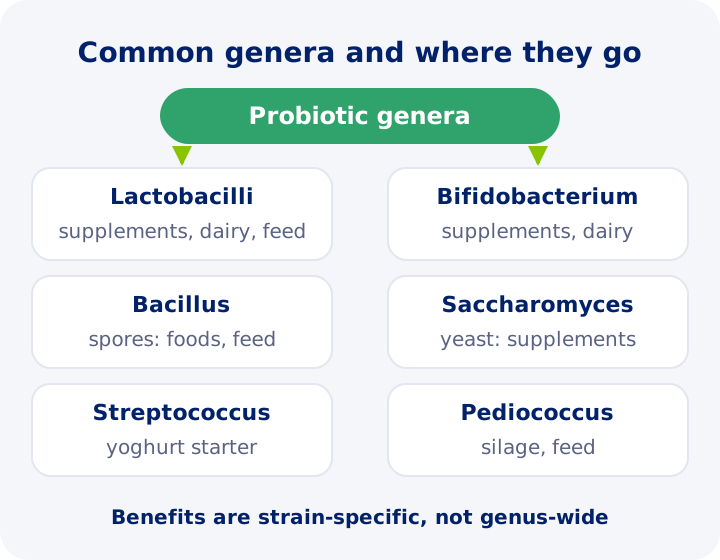
Probiotic genera at a glance
| Genus | Type | Natural habitat | Typical uses |
|---|---|---|---|
| Lactobacilli (several genera since 2020) | Lactic acid bacteria, rods | Fermented foods, gut, plants | Supplements, dairy, silage |
| Bifidobacterium | Anaerobic, branched rods | Human and animal gut | Supplements, dairy, infant products |
| Bacillus | Spore-forming rods | Soil, fermented foods | Heat-processed foods, feed, capsules |
| Saccharomyces | Yeast | Fruit, fermentations | Supplements, feed |
| Streptococcus thermophilus | Lactic acid cocci | Dairy | Yoghurt and cheese starter |
| Pediococcus and Enterococcus | Lactic acid cocci | Plants, fermentations, gut | Silage, feed, fermented foods |
Lactobacilli and the 2020 reclassification
Lactobacilli are lactic acid bacteria: they ferment sugars mainly into lactic acid, which is why they are central to yoghurt, cheese, pickles and silage. They are the most familiar probiotic group in supplements and foods.
In 2020, genetic analysis led taxonomists to split the old Lactobacillus genus into 25 genera. Common examples:
- Lactobacillus plantarum is now Lactiplantibacillus plantarum.
- Lactobacillus casei, paracasei and rhamnosus are now in Lacticaseibacillus.
- Lactobacillus reuteri and fermentum are now in Limosilactobacillus.
- Lactobacillus acidophilus, gasseri, crispatus and delbrueckii remain in Lactobacillus.
Labels and trade documents often still use the older names, so check both when comparing products. The informal term “lactobacilli” is still widely used for the whole group.
Bifidobacterium
Bifidobacteria are naturally abundant in the human gut, particularly in infancy. They are strict or near-strict anaerobes, which means oxygen exposure during manufacture and storage reduces their viability. Packaging with low oxygen transmission matters more for this genus than for most others.
Bifidobacterium animalis subsp. lactis is relatively tolerant of oxygen and acid, which is one reason it is widely used in fermented dairy products. Bifidobacterium longum, including the subspecies infantis, is common in supplements and infant-oriented products.
Bacillus: the spore-formers
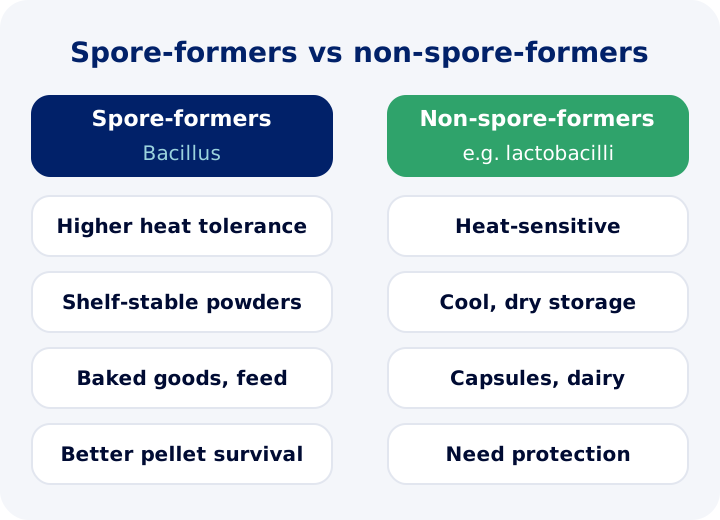
Bacillus species form spores: dormant, protective structures that survive heat, drying and long storage, then germinate when conditions are right. This makes them a practical choice where other probiotics struggle.
- Bacillus coagulans produces lactic acid and is used in baked goods, beverages and capsules. It has been reclassified in recent taxonomy updates, though the older name remains common on labels.
- Bacillus subtilis is well known from natto, a Japanese fermented soybean food, and is widely used in animal feed.
- Bacillus clausii is used in supplements in several markets.
Saccharomyces: the probiotic yeast
Saccharomyces boulardii is a yeast, not a bacterium, and is one of the most widely used probiotic yeasts in supplements. Because it is a yeast, antibacterial antibiotics do not act on it, a property often discussed in product guidance. Saccharomyces cerevisiae, the same species used in baking and brewing, is used in animal feed and as a source of yeast products.
Starter cultures and feed strains
Some genera are used more for fermentation and animal nutrition than for human supplements:
- Streptococcus thermophilus works together with Lactobacillus delbrueckii subsp. bulgaricus as the classic yoghurt starter culture.
- Pediococcus acidilactici and Pediococcus pentosaceus are used in silage inoculants, fermented meats and feed.
- Enterococcus faecium is used in animal feed, where specific strains are authorised as feed additives in some markets.
- Lentilactobacillus buchneri, formerly Lactobacillus buchneri, is used in silage inoculants to help improve aerobic stability after the silo is opened.
Matching genus to application
In practice, application and process conditions narrow the choice of genus before any strain is selected:
- Capsules and sachets for human supplements: lactobacilli and bifidobacteria are the usual choice, with Bacillus and Saccharomyces where robustness or a yeast is wanted.
- Fermented dairy: Streptococcus thermophilus and Lactobacillus delbrueckii subsp. bulgaricus as starters, often with added bifidobacteria or other lactobacilli.
- Baked goods, cereals and drinks: spore-forming Bacillus strains, which tolerate heat and long ambient storage.
- Pelleted animal feed: Bacillus spores survive pelleting best; non-spore-formers are often added after pelleting or given via water.
- Silage: lactic acid bacteria such as Lactiplantibacillus plantarum and Pediococcus species to drive fermentation, with Lentilactobacillus buchneri for aerobic stability.
Once the genus fits the process, choose the strain on evidence, safety status and supply quality.
Fermented foods and supplements
Fermented foods such as yoghurt, kefir, naturally fermented pickles, idli batter, miso and tempeh contain live microorganisms, although some, such as tempeh, are cooked before eating. Their strains and counts are usually not defined, and heat treatment after fermentation can remove live cultures entirely. Supplements and probiotic-labelled foods, by contrast, state a defined strain and a guaranteed count. Both have a place; they are different products for different purposes.
Tip: When comparing suppliers, ask for the strain designation and current taxonomic name on the same document. It avoids confusion when names on older studies differ from names on new labels.
Working with Enzyme Bioscience
Enzyme Bioscience offers more than 100 enzymes and probiotic strains, covering lactobacilli, bifidobacteria, Bacillus, Saccharomyces and feed-oriented genera. Strains are supplied in 25 or 50 kg HDPE drums or retail pouches, with TDS and CoA on request. Request samples to evaluate strains in your application.
Frequently asked questions
The most widely used genera are the lactobacilli, Bifidobacterium, Bacillus and the yeast Saccharomyces. Streptococcus thermophilus, Pediococcus and Enterococcus are also used, mainly in food fermentation and animal feed. Each genus has different handling needs and typical applications.
No genus is best for everyone. The genus suggests how robust a probiotic is and where it is normally used, but any benefit depends on the specific strain and dose. Choose a well-documented strain that fits your product and format.
In 2020, taxonomists split the large Lactobacillus genus into 25 genera based on genetic data. For example, Lactobacillus plantarum became Lactiplantibacillus plantarum and Lactobacillus casei became Lacticaseibacillus casei. Lactobacillus acidophilus kept its original name.
Bacillus species form spores, which are dormant, tough structures that tolerate heat, drying and storage well. Lactobacilli do not form spores and are more sensitive to heat and moisture. This makes Bacillus strains a common choice for baked goods, beverages and feed.
Fermented foods such as yoghurt and kefir contain live cultures, but the strains and counts are often not defined or guaranteed. Supplements and probiotic-labelled foods state the strain and count. Both can be part of a balanced diet; they are simply different products.