In this article
Beauty-from-within products put skin-positioned ingredients into capsules, sachets, gummies and drinks rather than creams. Probiotics and enzymes have moved into this space from digestive health, but formulating them for skin positioning brings its own scientific, stability and regulatory questions. This guide covers each in turn for product developers and brand owners.
What “beauty from within” means for formulators
A nutricosmetic is an oral product, usually a food supplement or functional food, that is positioned for skin, hair or nail appearance. Because it is swallowed, it is regulated as a food or supplement, not as a cosmetic. That one fact shapes everything else: which ingredients are permitted, how they must be labelled and which claims can be made.
Typical formats include capsules, stick-pack sachets, gummies, shots and ready-to-drink beverages. Each format sets different limits on heat, water and pH, and those limits decide which probiotic and enzyme ingredients can survive production and shelf life.
The gut-skin axis in plain terms
The gut-skin axis describes the observed links between the gut, its microbiota and the skin. Researchers study several routes: metabolites produced by gut bacteria, such as short-chain fatty acids; immune signalling that starts in gut-associated tissue; and the absorption of nutrients that skin relies on, such as protein and micronutrients.
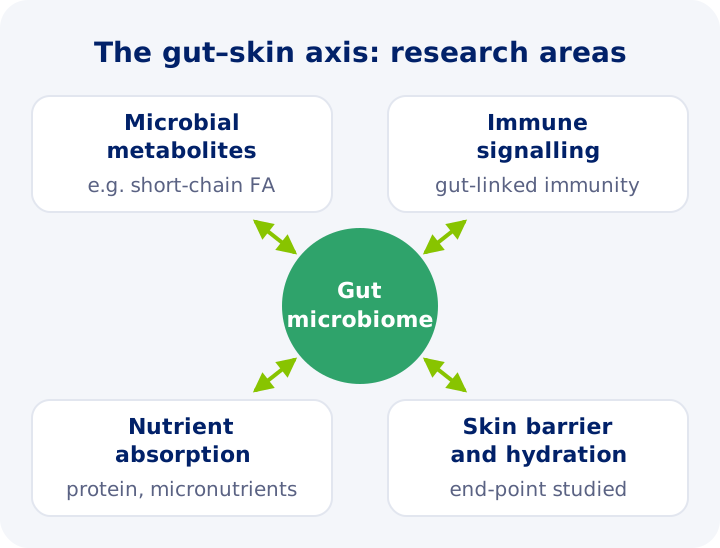
Human studies on specific probiotic strains have looked at skin hydration, barrier function and appearance. Results are encouraging for some strains, but they are strain-specific and dose-specific, and the evidence base is still developing. A formulator should therefore choose a strain because of data on that exact strain, not because of its genus, and should avoid any suggestion that a product treats a skin condition.
Ingredient roles in a skin-focused formula
Most beauty-from-within products combine several ingredient types. The table shows where enzymes and probiotics fit.
| Ingredient | Role in the formula | Format notes |
|---|---|---|
| Probiotic strains | Support a balanced gut microbiota; some strains studied for skin end-points | Capsules, sachets; keep dry and cool |
| Bromelain or papain | Help break down dietary protein | Powders, capsules, tablets |
| Prebiotic fibres (inulin, FOS) | Feed beneficial gut bacteria | Sachets, drinks |
| Collagen or plant peptides | Common skin-positioned partner ingredient | Powders, drinks |
| Postbiotics | Non-viable microbial preparations | Gummies, drinks, topicals |
Where enzymes fit
Bromelain from pineapple and papain from papaya are proteases. In an oral formula, they help break down dietary proteins into smaller peptides, which makes them a logical partner for protein-rich or collagen-based products. In topical cosmetics, the same enzymes are used as mild exfoliants because they loosen the protein bonds between surface skin cells. Oral and topical uses follow different regulations, so keep the two positionings separate on pack.
Where probiotics fit
Probiotic strains in a skin product are usually lactobacilli or bifidobacteria, chosen for their published data and their stability. Prebiotic fibres are often added alongside them; the three-part combination of enzymes, probiotics and prebiotics gives a clear “digestion, balance and nourishment” story without overclaiming.
Partner nutrients with established roles
Probiotic and enzyme claims for skin are limited, so many brands build the core message on nutrients with recognised roles. In the EU, for example, vitamin C is authorised to state that it contributes to normal collagen formation for the normal function of skin, and biotin, niacin, riboflavin, vitamin A, zinc and iodine can be described as contributing to the maintenance of normal skin. Combining these with a well-documented probiotic strain and a protease gives a formula with a compliant backbone and a clear point of difference.
Stability: the make-or-break factor
Live probiotics lose viability with heat, moisture and oxygen, and enzymes lose activity with heat and extreme pH. Beauty formats are often the hardest for both: gummies are deposited hot and contain water, and drinks expose ingredients to water for months.
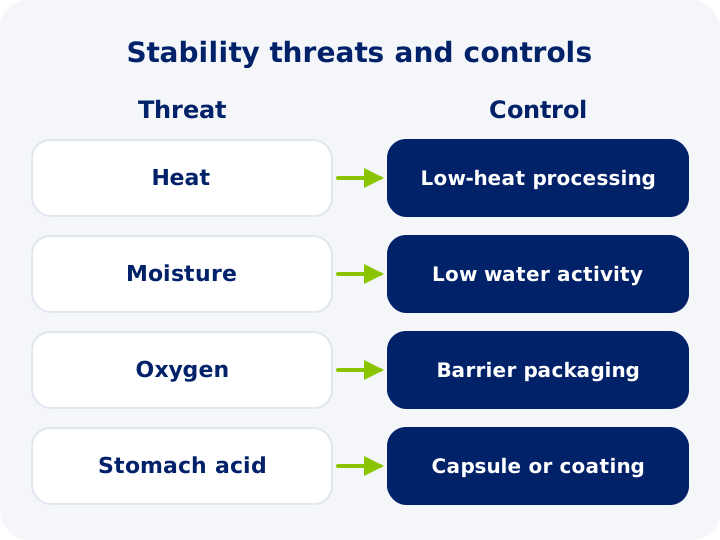
Practical controls include:
- Adding cultures after any heating step, or choosing spore-forming strains that tolerate heat better.
- Keeping water activity low with dry carriers, desiccants and moisture-barrier packaging such as aluminium sachets or blisters.
- Checking compatibility with vitamins, minerals and botanical extracts, some of which are acidic or hygroscopic.
- Using capsules or microencapsulation where survival through the stomach matters.
- Validating shelf life with real-time studies at the storage conditions of the target market, not only accelerated tests.
Where live cultures cannot survive the format, postbiotics are a practical alternative because they do not depend on viability.
Claims and regulation
Skin claims are where many nutricosmetics run into trouble. Rules differ by region, and the same product may need different wording in each market.
- In India, nutraceuticals are regulated by FSSAI, and permitted claims and ingredients are set by its regulations.
- In the USA, supplements can carry structure/function claims with the required disclaimer, while topical products fall under cosmetic rules.
- In the EU, health claims must be authorised, and in many member states even the word “probiotic” on pack is treated as an implied health claim.
In every market, disease terms such as acne, eczema or psoriasis are off limits for foods and supplements. Use measured wording such as “may support skin hydration” only where it is backed and permitted. Our article on clinical data and marketing claims for probiotics covers this in more depth.
Tip: Ask your strain supplier for the exact strain designation and the study references behind it before you write any skin-related copy.
A practical development checklist
- Define the market, format and product category first, because they decide the claims and permitted ingredients.
- Choose probiotic strains on strain-level data and stability, not genus reputation.
- Choose enzyme activities to match the protein or other substrates in the formula.
- Screen compatibility with every active and excipient in the final matrix.
- Run real-time stability studies and set overages from the results.
- Have each claim reviewed by a regulatory specialist before artwork is final.
Working with Enzyme Bioscience
Enzyme Bioscience supplies enzymes and probiotic strains from an FDA-registered, GMP and ISO 9001:2015 certified facility, with Halal, Kosher and FSSAI certifications. Our in-house R&D and QC labs can share TDS and CoA documents for each ingredient. Request samples to begin formulation trials.
Frequently asked questions
The gut-skin axis is the idea that the gut and its microbiota interact with the skin through immune signalling, microbial metabolites and nutrient supply. It is an active research area. Findings so far are promising but specific to particular strains and study designs.
Some specific probiotic strains have been studied for skin end-points such as hydration and barrier function, with encouraging early results. These findings apply only to the strain and dose tested. Products should use cautious wording such as 'may support skin health' and only where the target market allows it.
Proteolytic enzymes such as bromelain and papain help break down dietary protein, which makes them a logical partner for protein- or collagen-based beauty formulas. In topical cosmetics, the same enzymes are used as gentle exfoliants. They are not a substitute for dermatological treatment.
Capsules and sachets are the easiest formats for live probiotics because they can be kept dry. Gummies and drinks are popular, but heat and water make them difficult for most live cultures; spore-forming strains or postbiotics are often used instead.
Claims depend on the market and the product category. In many regions, skin claims for supplements must be authorised or backed by human data, and disease terms such as acne or eczema cannot be used. Have each claim reviewed by a regulatory specialist before launch.