In this article
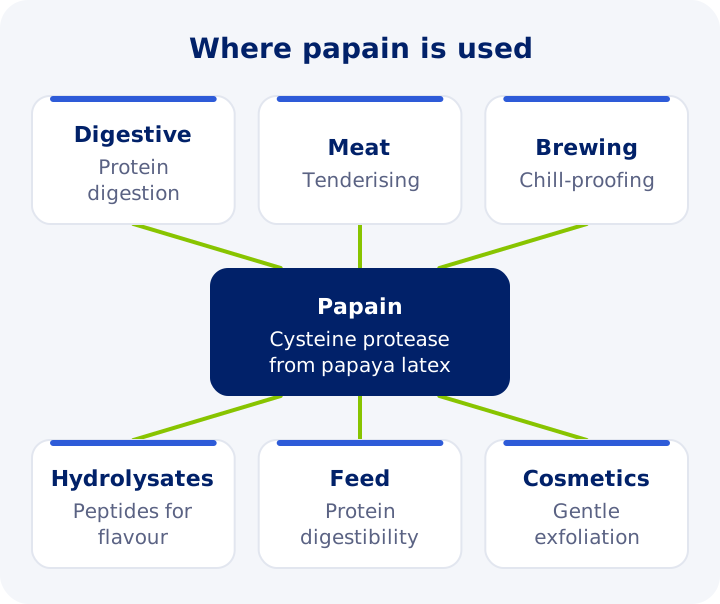
Papain is the protein-digesting enzyme found in the latex of unripe papaya. It is one of the oldest commercial enzymes and is still one of the most versatile. It is used in digestive products, meat processing, brewing, animal feed and cosmetics. This guide explains what papain is, how it works, where it is used and how to choose the right grade.
What papain is
Papain is a protease, an enzyme that breaks down proteins. It comes from Carica papaya. When unripe papaya fruit is lightly scored, it releases a milky latex. This latex is collected and dried to give crude papain, which is then purified and standardised into commercial grades.
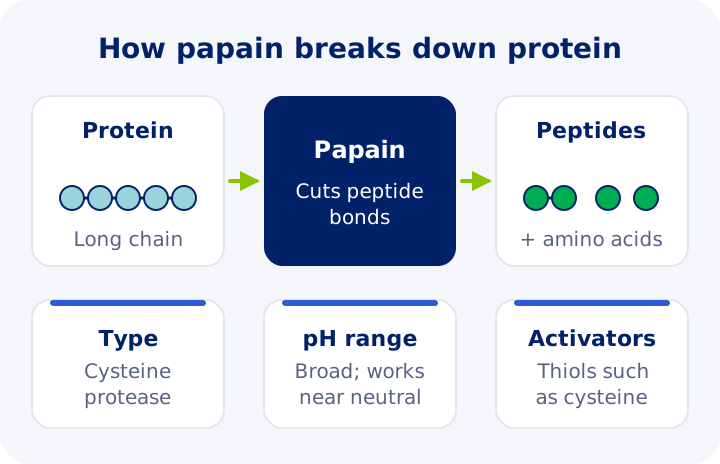
Biochemically, papain belongs to the cysteine protease family. The cutting is done by a cysteine group in its active site, working together with a neighbouring histidine. Papain has broad specificity, so it can cut many different peptide bonds rather than only a few. This is one reason it works well on varied protein sources.
Papain is active over a broad pH range and is relatively heat-tolerant for a protease. That makes it practical in processes such as cooking meat or treating beer. Its activity is boosted by mild reducing agents such as cysteine and reduced by oxidising agents and some heavy metals. These factors matter when it is combined with other ingredients.
How papain works
Proteins are long chains of amino acids joined by peptide bonds. Papain hydrolyses these bonds, using water to split them. Long protein chains become shorter peptides and free amino acids. In digestion, this complements the body’s own proteases such as pepsin and trypsin. In processing, it changes texture, solubility and flavour.
Papain in health and personal-care products
Digestive formulations
Papain is used in digestive enzyme formulations, often combined with amylase, lipase or other proteases, to cover several food components. Such products may support the digestion of dietary protein. As with any over-the-counter enzyme, claims should be functional and modest. Earlier marketing that linked papain to anti-inflammatory, immune or recovery benefits is not appropriate for supplement labels. Because it is plant-derived, papain is often chosen for vegetarian digestive products, though Halal and Kosher status should be confirmed for the specific grade. The pharmacopoeial grade is Papain IP/USP.
Cosmetics
In skin-care products such as enzyme peels and cleansers, papain helps loosen the protein bonds that hold dead surface cells together. This gives gentle exfoliation. Cosmetic formulators should consider papain’s sensitisation potential and run suitable patch testing.
Food, brewing and feed uses
Papain’s ability to break down tough proteins makes it useful across food and feed processing.
- Meat tenderising: papain softens muscle fibres and connective tissue, and it stays active during the early stages of cooking.
- Beer chill-proofing: it breaks down proteins that would otherwise combine with polyphenols to form a haze when beer is chilled.
- Protein hydrolysates: controlled hydrolysis of meat, fish, soy or milk proteins produces peptides for flavour bases and nutrition products.
- Animal feed: papain is added to feed to support protein digestibility.
In most food processes, papain is inactivated by heat at the end of the treatment, for example during cooking or pasteurisation. This stops it working in the finished product, where continued protein breakdown could spoil texture.
Food applications use the food grade, such as our papain for food processing. Feed uses have their own liquid and powder forms, such as papain for feed.
| Application | What papain does | Usual grade |
|---|---|---|
| Digestive products | Hydrolyses dietary protein | IP/USP |
| Meat processing | Tenderises muscle and connective tissue | Food |
| Brewing | Prevents chill haze | Food |
| Protein hydrolysates | Produces peptides for flavour | Food |
| Animal feed | Supports protein digestibility | Feed |
| Cosmetics | Gentle exfoliation | Refined, cosmetic use |
Papain and bromelain compared
Bromelain, from pineapple stems and fruit, is the other well-known plant protease. Both are cysteine proteases with broad specificity, and both are used in meat processing, protein hydrolysis and digestive formulations. They differ in source, activity profile and the units used to declare them. One should not be swapped for the other one-for-one without trials. Supply also differs: papain depends on papaya latex harvests, and bromelain on pineapple processing.
Choosing the right papain grade
Papain grades differ in more than purity. When you write a specification, consider:
- Activity and units: food papain is commonly declared in tyrosine units (TU), while pharmacopoeial grades follow their monograph assay. Define the unit and method.
- Regulatory grade: medicines need IP or USP material, food needs a food-grade specification and feed needs a feed grade.
- Form: powders suit dry blends and tablets, while liquids are easier to dose into processes such as brewing or hydrolysis.
- Microbial quality: oral products and foods need limits for total count and specified pathogens.
- Stability: papain loses activity with heat and moisture over time, so check storage conditions and the retest date.
Dosage depends on the substrate, temperature, time and desired result. Run small-scale trials before you fix a dose.
Tip: In liquid blends, papain can digest other protein-based ingredients, including other enzymes. Test compatibility in the final formula before scaling up.
Safety and handling
Papain has a long history of use in food processing. Like other protease powders, it is a known respiratory sensitiser. Repeated inhalation of dust can lead to allergy in workers, and people with latex allergy may react to it. Handle papain powders with local exhaust ventilation or dust control, wear suitable respiratory and skin protection, and follow the safety data sheet. Liquid forms reduce dust exposure in many processes. Store papain in sealed containers in a cool, dry place, because moisture and heat reduce its activity over time.
Working with Enzyme Bioscience
We supply papain in pharmacopoeial, food and feed grades, in powder and liquid forms, from our facility in Surat. For digestive formulations, papain can be combined with other enzymes; see our guide to the benefits of digestive enzymes. Request samples, TDS and CoA for the grade you need.
Frequently asked questions
Papain is a protein-digesting enzyme obtained from the latex of unripe papaya fruit (Carica papaya). It is a cysteine protease, which means a cysteine group in its active site does the cutting. It breaks proteins into smaller peptides and amino acids.
Papain is used in digestive enzyme formulations that may support the digestion of dietary protein, often combined with other enzymes. It is also used in cosmetic products for gentle exfoliation. Products containing papain should not claim to cure, treat or prevent any disease.
Papain is used to tenderise meat, to make protein hydrolysates for flavour and nutrition, and to chill-proof beer by breaking down proteins that would otherwise form a haze when the beer is cooled. The food grade is specified for these uses.
Papain IP/USP is produced and tested to pharmacopoeial monographs for use in medicines and health products. Food-grade papain is specified for food processing and declared in units suited to those applications. The grade should match the end use and the regulations that apply to it.
Papain has a long history of use in food processing. Like other protease powders, however, it can cause allergic sensitisation if dust is inhaled repeatedly. Handle it with dust control and suitable respiratory and skin protection, and follow the safety data sheet.