In this article
- The foundation: micronutrients with established roles
- Trend 1: strain-specific probiotics
- Trend 2: postbiotics
- Trend 3: beta-glucans
- Trend 4: botanicals and adaptogens
- Trend 5: microalgae
- Trend 6: enzymes as delivery and processing partners
- Comparing the ingredient classes
- Choosing the format
- From trend to finished product
- Working with Enzyme Bioscience
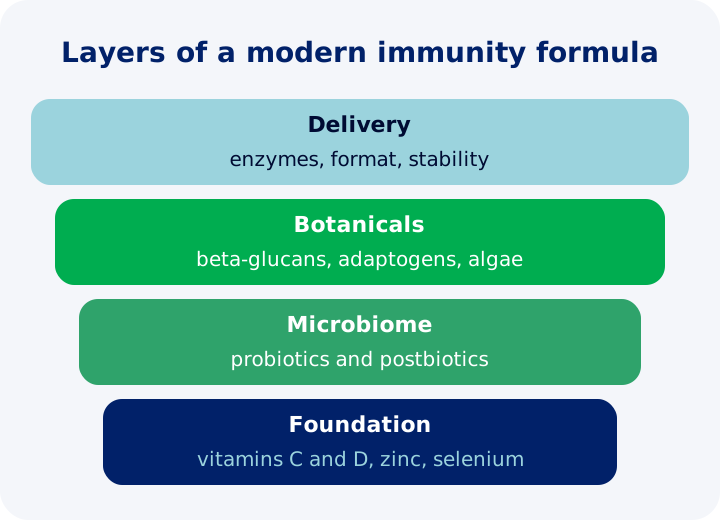
Interest in immune health has pushed brands beyond a simple vitamin C tablet. Today’s immunity products combine a micronutrient base with microbiome ingredients, botanicals and specialised delivery formats. This article reviews the ingredient trends that formulators are working with, how they fit together, and what to watch for in stability, standardisation and claims.
The foundation: micronutrients with established roles
Every credible immunity formula starts with nutrients whose role is well established. In the EU, vitamins A, C, D, B6 and B12, folate, zinc, selenium, copper and iron are authorised to carry the claim that they contribute to the normal function of the immune system. Similar nutrient-function claims exist in many other markets.
These nutrients give brands a compliant core message. Newer ingredients add differentiation, but usually cannot carry an immune claim on their own.
Trend 1: strain-specific probiotics
A large share of the body’s immune cells sits in tissue associated with the gut, which is why probiotics are studied for immune-related end-points. The trend is away from generic “multi-strain” blends and towards strains selected on published data for a specific end-point, at the dose used in those studies.
For formulators this means strain-level identity, counts guaranteed to the end of shelf life and wording such as “may support immune health” only where the evidence and local rules allow it. Spore-forming strains such as Bacillus coagulans are often chosen for gummies, drinks and other demanding formats. Browse our probiotic range for available genera.
Trend 2: postbiotics
Postbiotics are preparations of inactivated microorganisms or their components that have been shown to benefit health. Because they contain no live cells, they suit heat-processed foods, gummies and drinks where live cultures struggle. Their benefits depend on the exact preparation, so a defined strain, inactivation method and specification are essential. Our article on the rise of postbiotics covers this ingredient class in detail.
Trend 3: beta-glucans
Beta-glucans are polysaccharides found in the cell walls of yeast, mushrooms and cereals. Their structure differs by source: yeast and mushroom beta-glucans have a 1,3/1,6 linkage pattern and are the type studied for immune support, while oat and barley beta-glucans have a 1,3/1,4 pattern and are best known for cholesterol-related uses.
Medicinal mushrooms such as reishi, shiitake and maitake have a long history of traditional use in Asian cultures and are increasingly used in capsules, powders and drinks. Specifications should state the source, the beta-glucan content and the test method, because total polysaccharide figures can overstate actual beta-glucan.
Trend 4: botanicals and adaptogens
Traditional botanicals are a strong trend, particularly in India, where Ayurvedic herbs are well known to consumers. Common examples include ashwagandha, tulsi (holy basil), giloy and turmeric, along with astragalus and elderberry from other traditions. Ashwagandha and similar herbs are often described as adaptogens, a term for botanicals traditionally used to help the body cope with stress.
The main formulation issues are standardisation, for example to a stated level of marker compounds such as withanolides in ashwagandha, along with contaminant testing and the regulatory status of each herb in each market. Botanical claims are tightly controlled in many regions.
Trend 5: microalgae
Spirulina and chlorella are nutrient-dense microalgae rich in protein, pigments and micronutrients; spirulina also contains the blue pigment phycocyanin. They are used in tablets, powders and greens blends. Quality control is critical: suppliers should test for heavy metals, microbial contamination and, for some algae, algal toxins.
Trend 6: enzymes as delivery and processing partners
Enzymes are not immune actives, but they play two useful roles. In combination formulas, digestive enzymes support the breakdown of proteins, starches and fats, adding a digestive-comfort component. In manufacturing, enzymes such as pectinase and cellulase help break down plant cell walls during extraction, and enzymatic hydrolysis is used to produce yeast extracts and other yeast-derived ingredients.
Comparing the ingredient classes
| Ingredient class | Typical source | Common formats | Formulation watch-outs |
|---|---|---|---|
| Vitamins and minerals | Synthetic or natural | Tablets, gummies, drinks | Interactions, taste of zinc and iron |
| Probiotics | Fermentation | Capsules, sachets | Viability, moisture |
| Postbiotics | Inactivated fermentates | Gummies, drinks, bars | Definition, batch consistency |
| Beta-glucans | Yeast, mushrooms, cereals | Capsules, powders | Source and linkage type |
| Botanicals | Roots, leaves, herbs | Capsules, teas, powders | Marker standardisation, contaminants |
| Microalgae | Spirulina, chlorella | Tablets, powders | Heavy metals, toxins |
Choosing the format
Format choice shapes which ingredients can be used and at what dose. Capsules and tablets carry the widest range of actives and protect moisture-sensitive ingredients well. Gummies are popular with consumers but involve heat and water during production, which favours postbiotics, spore-forming probiotics and heat-stable nutrients. Effervescent tablets and stick-pack sachets suit vitamin and mineral bases and dry probiotic powders, provided moisture is tightly controlled. Ready-to-drink shots and beverages are the most demanding, because ingredients sit in water for the whole shelf life.
A practical approach is to choose the format first, from consumer insight and channel, and then shortlist ingredients that are known to survive it.
From trend to finished product
Combining several ingredient classes multiplies the formulation risk. Some minerals and acidic botanical extracts can reduce probiotic viability, herbal extracts are often hygroscopic, and strong flavours from zinc, algae or herbs can limit dose in gummies and drinks.
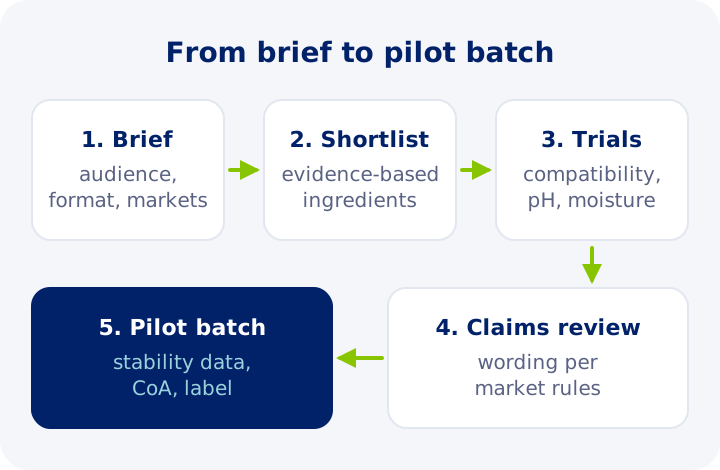
Tip: Run the claims review before the pilot batch, not after. A claim that cannot be used in a key market may change the ingredient list or the dose.
Claims deserve particular care. Immunity products must not claim to prevent or treat infections or any disease. Use authorised nutrient claims as the core message, and support any wording about probiotics, postbiotics or botanicals with evidence on the specific ingredient and approval in the target market.
Working with Enzyme Bioscience
Enzyme Bioscience serves customers in 21 countries with more than 100 enzymes and probiotic strains, made in an FDA-registered, GMP and ISO 9001:2015 certified facility. Our ENZYVIVE® custom-blend service can build enzyme and probiotic components for your immunity format. Request samples, TDS or CoA to start trials.
Frequently asked questions
Most products combine a micronutrient base, such as vitamins C and D, zinc and selenium, with newer ingredients. These include strain-specific probiotics, postbiotics, beta-glucans from yeast or mushrooms, traditional botanicals such as ashwagandha or tulsi, and microalgae such as spirulina and chlorella.
This depends on the market. In the EU, nutrients including vitamins A, C, D, B6 and B12, folate, zinc, selenium, copper and iron are authorised to state that they contribute to the normal function of the immune system. Claims for probiotics and botanicals are more restricted. Claims to prevent or treat infections are not allowed for foods and supplements.
A large share of the body's immune cells is found in tissue associated with the gut, which is why probiotics are studied for immune-related end-points. Results are strain-specific and evidence varies. Wording such as 'may support immune health' should be used only where it is substantiated and permitted.
Beta-glucans are polysaccharides found in the cell walls of yeast, fungi such as mushrooms, and cereals such as oats and barley. Their structure differs by source, and so do their uses: yeast and mushroom beta-glucans are studied for immune support, while oat and barley beta-glucans are best known for cholesterol-related claims.
Enzymes are not immune actives themselves. They are used as a digestive component in combination formulas and in manufacturing, for example to help extract compounds from plant material or to produce yeast-derived ingredients. Their claims should stay within those roles.