In this article
Lactase is the enzyme behind lactose-free milk and a growing range of reduced-lactose dairy products. It splits milk sugar into two simpler sugars, which changes digestibility, sweetness and even texture. This guide covers how lactase works, the main enzyme types, the process routes dairies use and the quality points that decide success.
What lactase is and how it works
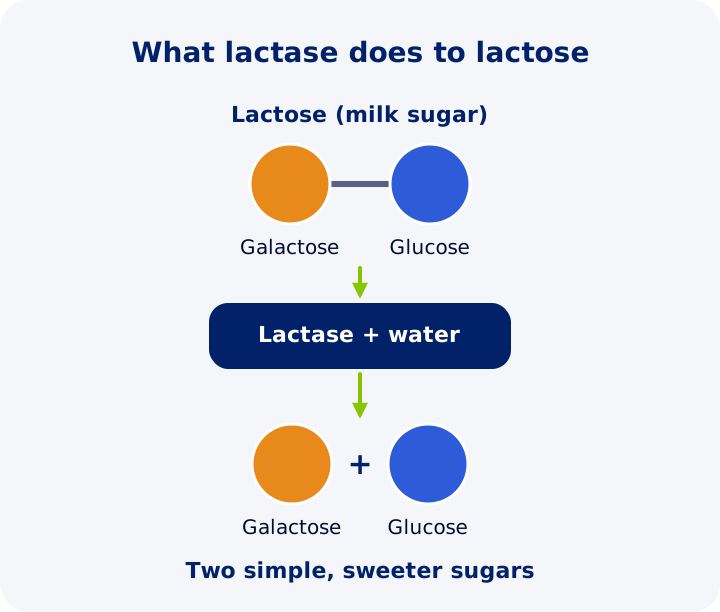
Lactase is the common name for beta-galactosidase. It breaks the bond that joins the two halves of lactose: a galactose unit and a glucose unit. Water is used in the reaction, and the result is free galactose and free glucose.
In people, lactase is produced in the small intestine. Many adults produce less lactase after childhood, and a large share of the world’s adult population has reduced ability to digest lactose. For them, large amounts of regular milk can cause digestive discomfort. Lactose-free and reduced-lactose products give these consumers a way to keep dairy in their diet.
Yeast vs fungal lactase
Food-grade lactases come mainly from two microbial sources. They do the same reaction but suit different conditions.
| Property | Yeast lactase | Fungal lactase |
|---|---|---|
| Typical source | Kluyveromyces yeasts | Aspergillus moulds |
| Preferred pH | Near neutral | Acidic |
| Heat tolerance | Lower | Higher |
| Best fit | Milk, flavoured milk, cream | Whey, acidic products, supplements |
| Common form | Liquid | Powder |
For liquid milk, yeast lactase is the usual choice because milk sits close to neutral pH. Fungal lactase is preferred for acid whey, some fermented products and supplement formulations. Our lactase page lists available activity ranges.
Benefits of lactase in dairy products
Digestibility for lactose-sensitive consumers
The main reason to use lactase is to reduce lactose in milk products. People who are sensitive to lactose may then enjoy dairy with less discomfort, while still getting milk’s protein, calcium and other nutrients, which lactase does not change.
Natural sweetness
Glucose and galactose taste sweeter than lactose. A lactase-treated yoghurt, flavoured milk or ice cream can therefore reach the same sweetness with less added sugar. The sugars formed still count as total sugars on the nutrition label.
Smoother frozen and concentrated products
Lactose has low solubility and can crystallise in ice cream, sweetened condensed milk and milk caramel. These crystals give a sandy texture. Splitting part of the lactose reduces this risk and can also lower the freezing point of ice cream mixes.
New ingredients from whey
Whey and permeate are rich in lactose. Lactase can convert it into sweeter glucose-galactose syrups for food use. At high lactose concentrations, some lactases also form galacto-oligosaccharides (GOS), a prebiotic ingredient produced under controlled conditions.
How dairies make lactose-free milk
There are two main process routes.
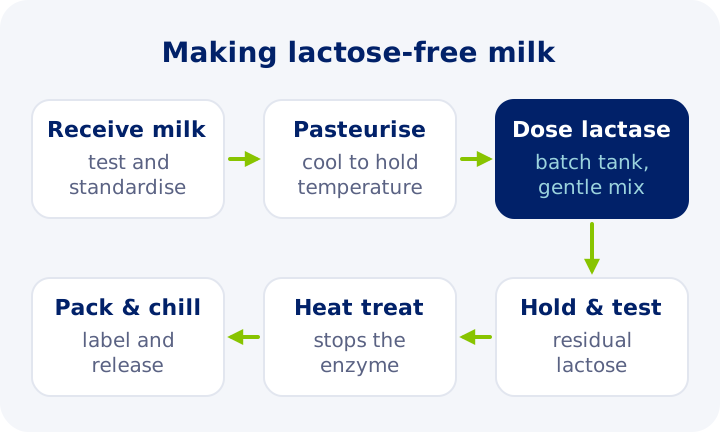
Batch hydrolysis before heat treatment
Lactase is added to milk in a tank and held until lactose falls to target. A heat step, such as pasteurisation or UHT, then inactivates the enzyme. This route is simple and widely used for pasteurised milk, though it ties up tank capacity during the hold.
Sterile dosing after UHT
For UHT milk, a sterile lactase is dosed into the milk after sterilisation, just before aseptic filling. The reaction continues in the pack during the first days of storage. This frees up tank time, but it places strict demands on enzyme purity, because any side activity also keeps working in the pack for the whole shelf life.
Filtration plus enzyme
Some producers first remove part of the lactose by membrane filtration and then hydrolyse the rest with lactase. This keeps sweetness closer to regular milk.
Tip: For sterile dosing, ask your supplier for data on side activities such as protease. Even traces can cause bitterness or texture changes over a long ambient shelf life.
Yoghurt and fermented milks
In yoghurt, lactase is usually added to the milk before or together with the starter culture. As fermentation lowers the pH, a neutral yeast lactase gradually slows down, so most of its work happens early in the process. Some producers hydrolyse the milk first and then ferment it. Either way, the result is a yoghurt with less lactose and a milder, sweeter taste, which can reduce the need for added sugar in fruit and flavoured varieties. Check that the culture still acidifies at the expected rate, since the change in sugar profile can affect fermentation time.
Quality points to check
A good lactase process depends on more than the enzyme dose:
- Residual lactose: test with a validated method at the end of the hold or during storage.
- Lactose-free definitions: limits differ between countries, so confirm the rule for each market.
- Browning: glucose and galactose take part in Maillard reactions more readily than lactose, so heat-treated products may brown faster.
- Enzyme purity: side activities matter most where the enzyme is not heat-inactivated.
- Dose and time: dosage depends on milk composition, temperature, pH and holding time. Use our enzyme dosage calculator to plan trials, then confirm in your plant.
Storage matters as well. Liquid lactases are often kept chilled, and all enzyme preparations slowly lose activity over time, so follow the storage conditions on the TDS and use stock in rotation.
For the wider picture of how lactase fits alongside rennet, lipase and transglutaminase, see our overview of dairy enzymes.
Beyond milk: supplements and other uses
Lactase is also used in dietary supplement formulations intended for people who have difficulty digesting lactose, usually taken with a dairy-containing meal. Fungal lactase is common here because it tolerates acidic conditions. Supplement claims must be worded carefully and comply with local regulations.
Aged cheeses usually need no lactase, because most lactose leaves with the whey and the rest is fermented by starter cultures during ripening.
Working with Enzyme Bioscience
Enzyme Bioscience supplies lactase and other food enzymes from its FDA-registered, GMP and ISO 9001:2015 facility in Surat, with Halal, Kosher and FSSAI certifications. Our R&D and QC labs can support your trials, and our certification page lists the documents available for audits. Request a sample, TDS or CoA to evaluate lactase in your product.
Frequently asked questions
Lactase is an enzyme that breaks lactose, the main sugar in milk, into glucose and galactose. In people it is produced in the small intestine. In dairy processing, food-grade lactase is added to milk products so that the lactose is split before the product is consumed.
Yeast lactases, usually from Kluyveromyces species, work best near the neutral pH of milk. Fungal lactases, usually from Aspergillus species, prefer acidic conditions and are generally more heat-tolerant. The choice depends on the pH and temperature of the product being treated.
Glucose and galactose together taste sweeter than the same amount of lactose. When lactase splits lactose, the total sugar stays about the same but perceived sweetness rises. Some producers remove part of the lactose by filtration first to keep the taste closer to regular milk.
Lactase acts only on lactose, so the protein, fat, calcium and other milk nutrients are largely unaffected. The sugar is present as glucose and galactose instead of lactose. Any nutrition or health claims must follow the regulations in the market of sale.
Yes. Lactase is used in supplement formulations intended for people who have difficulty digesting lactose, usually taken with dairy foods. Fungal lactases are common here because they tolerate acidic conditions. Claims must be worded carefully and comply with local rules.